

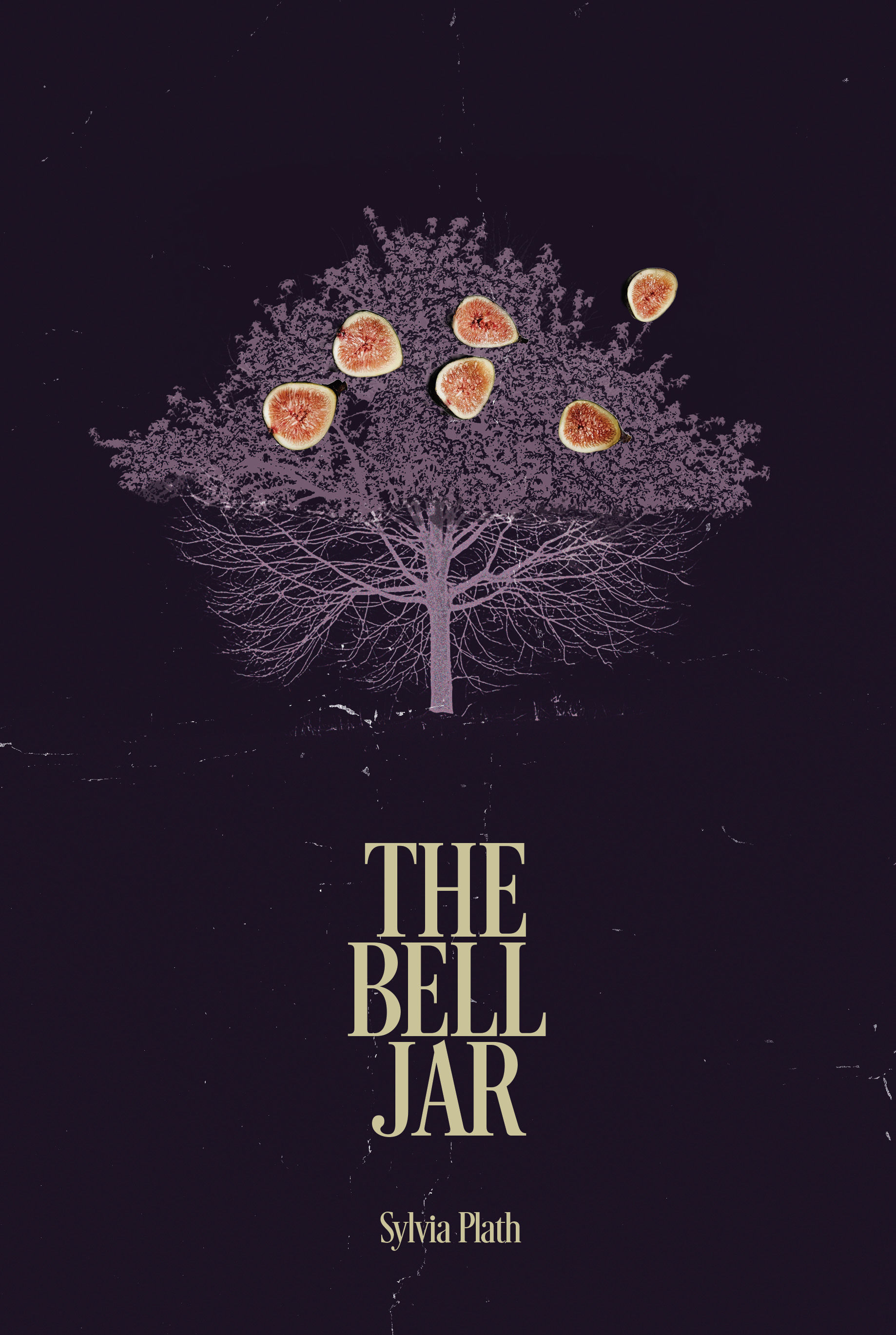
Sylvia Plath’s masterpiece is the emo girl’s Bible. Tumblr girls unite: if you’re on the brink, this is the book to carry around while leaning against walls and staring off into the distance while you wait for your iced mocha latte (thick eyeliner is not optional).
I’d always heard this book was depressing but, I’ve personally confirmed — it’s depressing.
Let’s take a stroll through The Bell Jar.

First off, the canonical event: Worried you’ve peaked.
The book starts off with Eleanor at a magazine internship in New York. She’s “made it,” you would think. Well, she thinks that too.
But what happens after the internship?
A lot of us find ourselves here eventually in our 20s: you secured the grades, you achieved The Dream. Now, go do life!
But what happens when that Perfect Job doesn’t come? Or what happens when you’re just another body in a cubicle, click clacking on a keyboard?
What happens when the world said you’re special (or your mother), and you apply to every residency or agency or contest, and they all grimace and send back basic rejection letters?
This is the inciting incident of the novel. And, unfortunately, deeply relatable.

Canonical Event #2: Getting Married
Now it’s time to Get Married and secure yourself an Adult Card.
Eleanor isn’t married, and that’s a problem.
She has an option: Buddy.
Maybe you’ve had a Buddy too. It’s the guy your mom likes, and your pastor likes. And you? (Does that really matter?) He’s kinda…beige. Not good, not bad. He makes sense on paper, but not in your heart.
Buddy hypes Eleanor up, insinuating that she has more “worldly knowledge” than he does…only to find out later that he’s not even a virgin anymore (of course, it’s because he was seduced by a waitress and had no other options).
This isn’t how it’s supposed to be. Eleanor was following the rules, and look where it got her.
Still, people urge her to marry Buddy. They don’t know he’s a fake.
Call out the Buddies. You don’t have to accept them.

Canonical Event #3: Who Are You?
I definitely suffered from black-and-white thinking growing up. I heard the church say, “Don’t waste time figuring out who you are; the heart is deceitful and wicked, who can know it?”
So I took that to mean that I was my own worst enemy, and I should try to avoid myself as much as possible.
Well, that’s worked splendidly.
A better understanding is that:
- All your life, you will change.
- All your life, you should change.
- Embrace who you are, because God made you this way in this moment.
The world asks Eleanor to get married and be a stay-at-home wife. It’s the same black-and-white thinking that made me run from my own presence, and feel unsafe in my skin. It comes from not knowing yourself, and feeling pressured to fit the mold.
There is no one “right way” to live your life. Some are meant to stay at home with kids; some are never meant to have children. Some people should stay at their job for fifty years, others should pivot every three years.
We’ve been here before.
This book was written 50 years ago. And still, Sylvia was facing the fear of peaking in college, being unmarried, and living in a world where she wasn’t accepted. But do these fears come from inside? Or do we only fear judgment?
What would you do if no one were watching? Would you lose the fear of being better and achieving more? Would you not mind your marriage status? Would you be yourself, regardless of who you’re “supposed” to be?
I wish Eleanor — I wish Sylvia — had lived in a more forgiving, open-ended world. And I hope that’s what we cultivate in the world…starting with our homes.
Leave a Reply